
"coffee roast compounds"
800 article(s) found

The researchers identified two compounds associated with the bitterness of coffee.
Adding some milk and sugar to a steaming cup of coffee is a sign that many people start a new day. Although this is done to reconcile the bitterness of the drink, the reason why coffee makes us frown has puzzled scientists for decades. Now, by identifying two compounds related to the bitter taste of coffee, whether mild breakfast coffee or Italian espresso,
The researchers identified two compounds related to the bitterness of coffee
Adding some milk and sugar to a steaming cup of coffee is a sign that many people start a new day. Although this is done to reconcile the bitterness of the drink, the reason why coffee makes us frown has puzzled scientists for decades. Now, by identifying two compounds related to the bitter taste of coffee, whether mild breakfast coffee or Italian espresso,
The researchers identified two compounds related to the bitterness of coffee
Adding some milk and sugar to a steaming cup of coffee is a sign that many people start a new day. Although this is done to reconcile the bitterness of the drink, the reason why coffee makes us frown has puzzled scientists for decades. Now, by identifying two compounds related to the bitter taste of coffee, whether mild breakfast coffee or Italian espresso,
Common sense of two compounds related to the bitterness of coffee
Adding some milk and sugar to a steaming cup of coffee is a sign that many people start a new day. Although this is done to reconcile the bitterness of the drink, the reason why coffee makes us frown has puzzled scientists for decades. Now, by identifying two compounds related to the bitter taste of coffee, whether mild breakfast coffee or Italian espresso,
Detailed analysis of coffee bean ingredients
Volatile substances: Volatile substances are the main source of coffee flavor and are especially important for coffee quality. There are many kinds of volatile compounds in coffee, and their existence will affect the aroma quality of coffee. The main source is derived from non-volatile substances from raw beans, which are broken off or reacted during roasting. Thermal decomposition, other reactions, or interactions between components, e.g. sugar

Coffee Flavor Wheel and Flavor Spectrum Coffee knowledge
Among all kinds of flavor wheels, coffee is the most esoteric. According to Ivon Flament's "Coffee Flavor Chemistry Coffee Flavor Chemistry", since 1960, scientists have isolated more than 300 compounds from raw coffee beans, and there are more than 850 kinds of coffee ripe beans. Researchers believe that coffee is volatile, water soluble,

Coffee Taste Spectrum and Flavor Wheel scaa Coffee Association
Among all kinds of flavor wheels, coffee is the most esoteric. According to Ivon Flament's "Coffee Flavor Chemistry Coffee Flavor Chemistry", since 1960, scientists have isolated more than 300 compounds from raw coffee beans, and there are more than 850 kinds of coffee ripe beans. Researchers believe that coffee is volatile, water soluble,

The baking degree determines the taste spectrum towards deep roasting, shallow roasting, moderately roasted coffee beans.
Coffee taste spectrum consists of "smell spectrum" and "taste spectrum"; the former directs dry and wet fragrance, while the latter refers to water-soluble taste. The aroma of "odor spectrum" is appreciated by the sense of smell before and after the nose, and the liquefaction taste of "taste spectrum" is captured by the sense of taste. The "smell" and "taste" of coffee often vary with variety, altitude, soil and water, producing area, post-preparation, extraction and roasting degree, but

The chemical action produced by each cup of coffee Chemistry in every cup
English sentences are too professional and difficult to translate! Wait for English experts to translate and submit Coffee has a conflicting reputation is it a guilty pleasure or a life saving elixir? Emma Davies gulps down an espresso and investigates In Short Drinking coffee has been associated with a variet
"Coffee roaster companion" the chemical substances of raw beans the structure and changes of coffee beans
Chapter 2: chemical substances of raw beans author: Scott Rao translator: Huaxia coffee raw beans are strong and green seeds, 50% of which are different forms of carbohydrates, and the other 50% are composed of water, proteins, lipids, acids, and various biological bases. Coffee roasters can bake good coffee without knowing the many chemicals in raw beans, but

How can coffee beans be preserved to reduce the rate of flavor loss? How do coffee bags preserve aroma?
Roasting coffee to show its strong aroma takes time, energy and a lot of trial and error. However, after arriving at the destination, no matter how long it takes, you need to make sure that consumers can enjoy it at home or in a cafe. Packaging plays a role here. By using the right materials and functions, you can keep the aroma of coffee long enough for consumption.

Coffee roasting degree coffee roaster coffee beans death wish coffee
The term "fine coffee" was first put forward by Ms. Knudsen of the United States in Coffee and Tea magazine. At that time, Ms. Knudsen, as a coffee buyer at B.C. Ireland in San Francisco, was very dissatisfied with the neglect of the quality of raw coffee in the industry, and even some big roasters mixed a large amount of Robesda beans in the comprehensive beans, so she put forward the concept of boutique coffee.

How does treatment affect the Chemical composition of Coffee the effect of treatment on roasting techniques
Why do sun beans taste different from water-washed beans? What makes the sweetness of honey treated coffee more obvious? The method of raw bean treatment has a great influence on the flavor, aroma and alcohol thickness of coffee, and it is also an important difference for many people to choose coffee beans. The flavor and aroma of coffee brought by the place of origin will develop the flavor and aroma of coffee when roasted, and the aroma compounds will be reversed by many chemicals.
English Corner | Why do we bake coffee and raw beans?
Love coffee, is an elegant way of life, love coffee, let's get together! Coffee beans are the seeds of the cherries of the coffee tree. Each cherrytypically contains two beans whose flat sides face each other. When steepedin hot water, raw, or green, coff
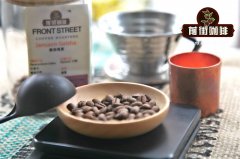
Changes in coffee roasting: what are the chemical changes in the roasting process of coffee beans
Professional coffee knowledge exchange more coffee bean information please follow the coffee workshop (Wechat official account cafe_style) do you know what happens when roasting coffee beans? What are the chemical changes that transform raw coffee beans into coffee ripe beans with charming flavor and rich aroma? The main chemical reaction heating coffee beans will trigger hundreds of different chemical reactions, and roasting will drop.
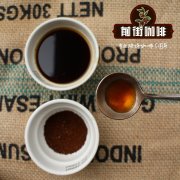
What is caffeic acid? what is the composition of caffeic acid? how does it affect coffee flavor?
Professional coffee knowledge exchange more coffee bean information Please pay attention to the coffee workshop (Wechat official account cafe_style) there are many factors that affect coffee flavor: coffee bean variety, roasting, brewing strategy, coffee bean handling methods, however, when you divide these factors again and again, the resulting coffee flavor is all related to a class of substance compounds. The way coffee is baked. Coffee.

Coffee roasting | Maillard reaction
[definition of roasting] the so-called coffee roasting (coffee roasting) refers to the process that through heating the raw beans, a series of physical and chemical reactions take place inside and outside of the coffee beans, and in this process, the sour, bitter, sweet and other flavors of the coffee are formed, forming mellowness and hue, and the raw beans are converted into dark brown beans. [Maillard reaction] what is it? Actually, it's simple.

Can smell bottles cultivate the ability to distinguish the aroma of coffee? what is the origin of the aroma of coffee?
What substance does coffee aroma come from in 1926 Swiss scientist Reichstein and German scientist Stoldinger studied and found that 29 kinds of compounds such as furan, alkylpyrazine, Dione and furfuryl mercaptan are the main components of coffee aroma, among which furan compounds are the most important. The aromas of caramel, nuts, cream, almonds and fruits in coffee are all related to furan compounds. 1960 to present

Detailed Analysis of the components of High-quality Coffee beans
★ volatile compounds: volatile compounds are the main source of coffee flavor, especially important for coffee quality. There are many kinds of volatile substances in coffee, and their existence will affect the aroma quality of coffee. Its main source is derived from non-volatile substances in raw beans which are disconnected or derived after reaction in the process of roasting. The role of thermal decomposition, other reactions, or compositions, such as sugar.
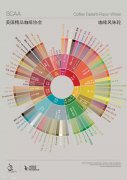
Coffee Flavor Wheel and flavor spectrum
The coffee taste spectrum was drawn by Tedelingo, a senior consultant of SCAA in 1997, and is composed of normal taste spectrum and abnormal taste spectrum. The so-called normal taste spectrum refers to the normal taste spectrum of coffee, while the abnormal taste spectrum refers to the abnormal taste spectrum of raw beans under abnormal conditions, such as improper processing, transportation and storage, resulting in deterioration of coffee protein, organic acids and fats, or improper roasting. "Coffee.